

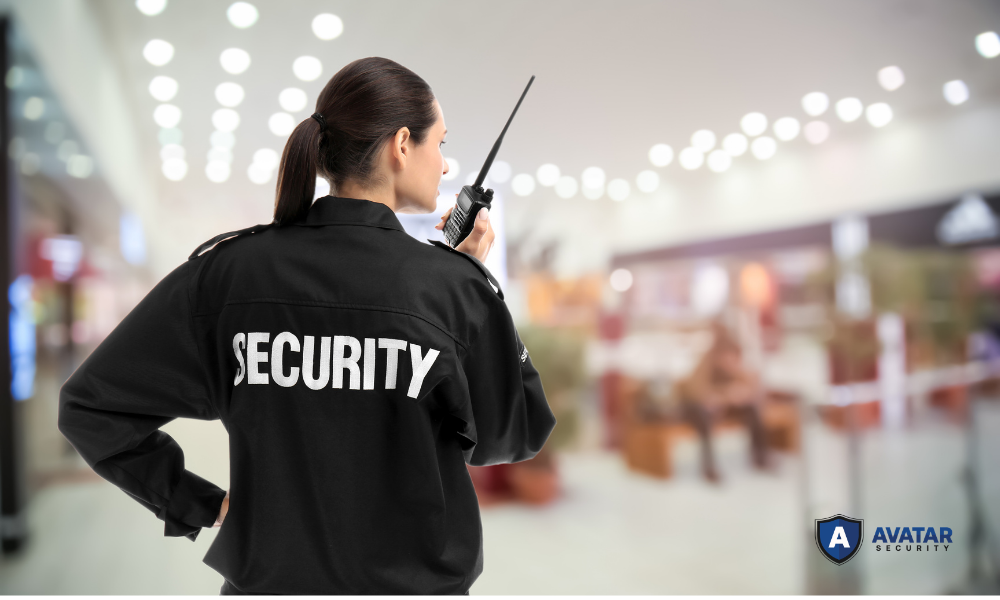
A busy Melbourne shopping centre is one of the most complex environments a security professional will work in. It combines the access control demands of a commercial building, the crowd management requirements of a public venue, and the loss prevention challenges of a retail precinct, all operating simultaneously across a site that may cover tens of thousands of square metres and service tens of thousands of visitors every day
. The security operation that serves a centre like Chadstone, Highpoint, or Fountain Gate is not simply a collection of uniformed personnel walking the floors. It is a coordinated service with defined roles, patrol structures, incident response protocols, and a direct relationship with Victoria Police and emergency services
. This guide explains what a professional shopping centre security operation looks like, how guard numbers are determined, what happens during peak periods such as Christmas and Black Friday, and what property managers should expect from their security provider.
Key Takeaways
- Shopping centres require security guards with specific retail environment training, including loss prevention skills, crowd management capability, and knowledge of Victorian trespass and detention laws.
- Mall-wide security protects common areas, car parks, and shared amenities. Individual retailers may need their own dedicated loss prevention officers to protect specific tenancies during high-risk periods.
- Security guard numbers in a shopping centre are determined through a formal risk assessment that accounts for foot traffic, operational hours, peak seasons, and the specific layout of the site.
- All security guards operating in Victorian shopping centres must hold a current Security Industry Licence under the Security Industry Act 2003. Property managers should verify credentials before any guard is deployed.
- During peak periods such as Christmas, Boxing Day, and school holiday sales, additional security resourcing is essential. Reactive increases in guard numbers after an incident are far less effective than proactive planning.
The Security Landscape of a Melbourne Shopping Centre
Melbourne’s major shopping centres attract visitor numbers that rival many public events. On a standard Saturday, a large centre in Melbourne’s suburban ring may see 30,000 to 50,000 visitors move through its doors. During Christmas trading, Boxing Day sales, and Black Friday, those numbers increase dramatically over compressed timeframes, creating crowd dynamics, access pressure, and theft risks that require professional management.
The security operation in this environment is structured across several distinct functions. Uniformed guards provide a visible deterrent presence and respond to incidents. CCTV control room operators monitor real-time footage across the full site and support guards on the floor with information and coordination. Loss prevention officers, often operating in plainclothes, observe and respond to theft activity in and around retail tenancies. Access control management governs staff entry points, loading docks, and restricted zones. And emergency response procedures govern the centre’s response to fire, medical events, and major incidents requiring police attendance.
The shopping centre security guard services provided by Avatar Security across Melbourne and Victoria are built around this multi-layered structure, deploying licensed guards trained for the specific demands of high-footfall retail environments.
What Shopping Centre Security Guards Actually Do Day-to-Day
- Deterrence through presence: Uniformed guards positioned at entry points, food courts, and high-value retail areas reduce opportunistic theft and antisocial behaviour by making the security presence visible and consistent.
- CCTV monitoring and coordination: Guards assigned to the control room monitor live feeds across the full site, identify developing situations, and relay information to floor guards to allow proactive rather than reactive response.
- Incident response: Whether a medical emergency in the food court, a shoplifting incident, a car park altercation, or a fire alarm activation, security guards are the first responders on site. They triage the situation, coordinate emergency services, and manage the area while support arrives.
- Customer assistance: Professional shopping centre security teams assist lost children, support customers who are unwell, and provide directions and information. This customer-facing role is as important as the deterrence and response function.
- Car park management: Melbourne shopping centre car parks are among the highest-risk zones on any retail site. Guards conduct regular patrols, manage traffic flow during peak periods, respond to vehicle incidents, and deter car park theft.
- Access control for staff and contractors: Loading docks, staff entries, and plant rooms require controlled access. Guards verify credentials and maintain logs of authorised personnel entering restricted zones.
Shopping Centre Security vs Individual Store Security
A common misunderstanding among retail tenants in Melbourne shopping centres is that the centre’s security team protects their individual stores as well as the common areas. In practice, the distinction between mall-wide security and store-level security is operationally significant.
The centre’s security operation is contracted by centre management and focuses on the common areas: the main mall, food court, car parks, escalators and lifts, and common entry and exit points. The security team will respond to incidents within stores when called, but their primary zone of responsibility is the shared space.
Individual retailers, particularly those with high-value inventory such as jewellers, electronics retailers, and pharmacy chains, benefit significantly from their own dedicated loss prevention officers. These officers focus entirely on that tenancy’s risk, operate in accordance with the retailer’s specific protocols, and are not diverted to common area incidents.
This distinction matters most during peak trading periods. Retailers who rely solely on centre security during Christmas and Boxing Day are accepting a much higher loss risk than those who supplement with dedicated retail loss prevention officers contracted directly for their tenancy.
How Security Staffing Numbers Are Determined
Professional shopping centre security providers in Melbourne do not estimate guard numbers from floor area alone. A properly conducted risk assessment before deployment accounts for a range of site-specific factors.
Foot Traffic and Peak Load
Historical foot traffic data for the specific centre, including daily averages, peak days, and seasonal spikes, informs the minimum guard presence required to maintain adequate coverage ratios. The ratio of guards to visitors required varies between centres based on incident history and layout.
Physical Layout and Sight Lines
A centre with poor CCTV coverage, multiple levels, and restricted sight lines requires more physical guard presence to maintain equivalent deterrence and response capacity compared to a single-level open-plan centre with comprehensive camera coverage.
Trading Hours and Shift Structure
Extended trading hours, early morning stock deliveries, and after-hours cleaning operations all require security coverage. The shift structure must ensure continuous coverage without gaps at changeover times, which are among the highest-risk windows on any security site.
Incident History
A centre with an established pattern of specific incident types, whether organised retail crime, car park theft, or public order incidents, warrants additional dedicated resources targeting those specific risks.
Security Demands During Peak Trading Periods
Christmas and Boxing Day are the periods of greatest security complexity for Melbourne shopping centres. The combination of maximum crowd density, high-value gift purchases and returns, elevated stress levels among both customers and staff, and the presence of organised theft groups creates conditions that require proactive planning rather than reactive response.
Professional shopping centre security providers plan peak period resourcing months in advance. Additional guards are briefed on specific site protocols, communication channels are tested, and coordination arrangements with local police are established before the peak period begins. Property managers who wait until December to discuss Christmas security are limiting their options significantly.
School holiday periods, major Melbourne events on nearby dates, and public holiday trading days each carry elevated risk profiles that should be reflected in resourcing decisions. An effective security provider will flag these proactively rather than waiting for instruction.
Licensing and Compliance for Shopping Centre Security in Victoria
Under the Security Industry Act 2003, every individual performing security guard functions in Victoria must hold a current Security Industry Licence issued by Victoria Police. This requirement applies to all guards operating in shopping centres, including loss prevention officers working in plainclothes. Property managers have both a practical and reputational interest in verifying that every guard deployed to their site is currently licensed.
Avatar Security is a member of the Australian Security Industry Association Limited (ASIAL), which provides an additional layer of accountability. ASIAL members are required to maintain comprehensive insurance coverage, comply with the ASIAL Code of Conduct, and ensure all deployed personnel hold current licences. This membership provides property managers with a degree of oversight beyond what Victorian licensing alone requires.
When engaging a shopping centre security provider in Melbourne, request a list of all guards who will be deployed to your site and verify their licence numbers through the Victoria Police licensing portal. This is a straightforward step that protects the property manager, the centre’s tenants, and the visiting public.
Frequently Asked Questions
What do shopping centre security guards do in Melbourne?
Shopping centre guards deter theft, monitor CCTV, manage access points, and handle incidents. They protect retailers and shoppers and coordinate with emergency services when incidents escalate.
How many security guards does a Melbourne shopping centre need?
Guard numbers depend on centre size, foot traffic, and operating hours. A professional risk assessment determines the correct staffing ratio and shift coverage for the specific site.
What is the difference between centre security and store security?
Centre security covers common areas, car parks, and public zones. Store security covers the individual tenancy. Both operate independently but may respond together during serious incidents.
Do shopping centre security guards in Melbourne need a licence?
Yes. All security guards in Victoria must hold a current Security Industry Licence. Unlicensed personnel cannot legally operate as security guards on any commercial premises in the state.
How do shopping centre guards handle suspected shoplifting in Victoria?
Licensed officers observe, document, and approach suspects within Victoria’s legal framework. They follow strict protocols and do not restrain without lawful authority to protect all parties involved.
Professional Shopping Centre Security in Melbourne
Shopping centres operate at a scale and complexity that most security environments do not match. Selecting a security provider with genuine shopping centre experience, licensed personnel, and a structured approach to peak period planning makes a measurable difference to outcomes for retailers, staff, and visitors.
For shopping centre security services across Melbourne and regional Victoria, contact Avatar Security for a free consultation and site assessment.