
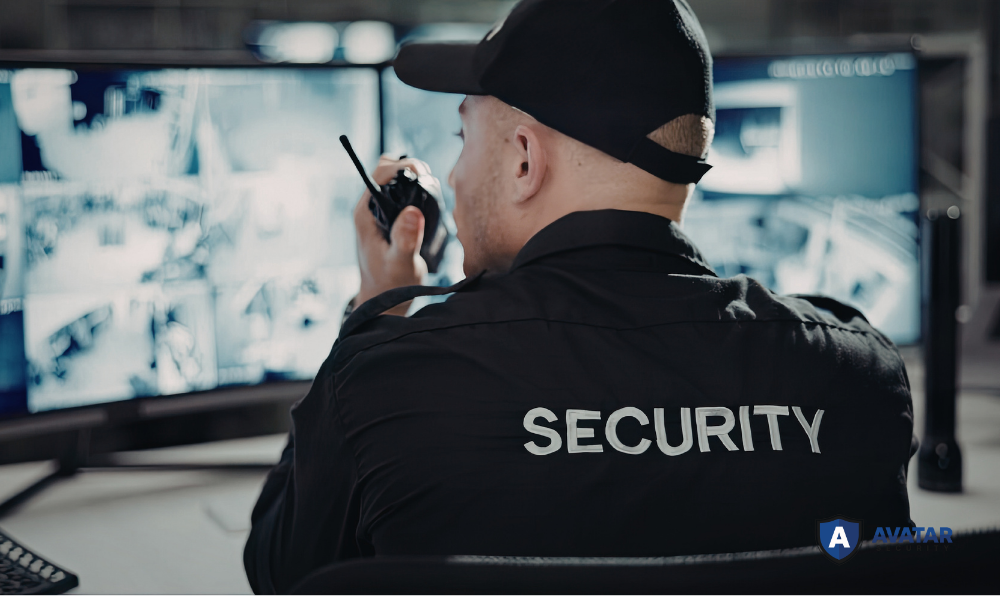
Choosing a security company in Melbourne should not be a decision made on price alone, but for many businesses and property managers, it often is. The consequences of engaging an underqualified or non-compliant security provider range from inadequate on-site protection to serious legal exposure.
A licensed security guard who behaves inappropriately on your site can create liability for your business. An uninsured security company that deploys unlicensed personnel puts your business at risk under the Security Industry Act 2003. And a provider that consistently sends undertrained guards who are unsuitable for your specific environment creates ongoing operational problems that a low hourly rate does not compensate for.
This guide covers the specific factors that separate a professional, compliant security company in Melbourne from the alternatives, the questions you should ask before signing any agreement, and the compliance checks that protect both your business and the public on your premises.
Key Takeaways
- All security companies and individual guards operating in Victoria must be licensed under the Security Industry Act 2003. Verify the licence of every guard deployed to your site before service begins.
- ASIAL membership, while not legally required, is a strong indicator of professionalism. ASIAL members must maintain insurance coverage, comply with a code of conduct, and uphold training standards above the legal minimum.
- A reputable Melbourne security company will conduct a formal site security assessment before quoting. A company that provides a price without visiting or properly evaluating your site is not providing a professional service.
- Ask for evidence of public liability insurance and workers compensation insurance coverage before signing any security agreement. Inadequate insurance coverage transfers significant risk to your business in the event of an incident.
- Incident reporting, supervision arrangements, and guard replacement protocols are operational indicators of a professional security company. These factors are as important as the hourly rate when selecting a provider.
Victorian Licensing Requirements: What You Must Check
Under the Security Industry Act 2003, any person performing security guard functions in Victoria must hold a current individual Security Industry Licence issued by Victoria Police Licensing and Regulation Division. This licence must be renewed every year and can be revoked by Victoria Police for criminal conduct or breaches of the Act.
A security company can be registered as a security company without every individual guard it employs being licensed at the time of registration. This creates a legal gap that businesses engaging security services need to close themselves. Simply verifying that the company holds a registration is not sufficient. You should request the licence number for every guard who will be deployed to your specific site and verify those numbers through the Victoria Police Licensing portal before service commences.
The licence categories relevant to most commercial engagements include the general security guard licence, which authorises the holder to perform security activities at fixed locations and on patrol, and the crowd controller licence, which is required for guards working in licensed venues and managing public access to events. Confirm that the licence category held by each guard matches the function they will be performing on your site.
ASIAL Membership: Why It Matters Beyond the Legal Minimum
The Australian Security Industry Association Limited (ASIAL) is the peak industry body for the security sector in Australia. Membership of ASIAL is voluntary, but it is one of the clearest signals of a security company’s commitment to operating above the legal minimum standard.
- Insurance requirements: ASIAL members must maintain minimum levels of public liability insurance, professional indemnity insurance, and workers compensation coverage. These requirements are higher than what Victorian law alone mandates.
- Code of conduct compliance: ASIAL’s code of conduct governs the professional behaviour of member companies and their staff. Complaints against ASIAL members can be escalated through the association, providing a mechanism beyond the formal regulatory process.
- Training standards: ASIAL members commit to ongoing training for their personnel above the minimum required for licence maintenance. This commitment reduces the risk of under-trained guards being deployed to client sites.
- Industry accountability: ASIAL membership creates a level of peer accountability within the industry that does not exist for non-members. Companies operating unethically or incompetently face both regulatory and reputational consequences within the industry.
Avatar Security is a proud ASIAL member and a 100% Australian-owned company operating across Melbourne and Victoria. More information about our compliance credentials and service approach is available at avatarsecurity.com.au.
The Site Security Assessment: A Non-Negotiable Starting Point
One of the most reliable ways to distinguish a professional security company from an inadequate one is to observe how they respond when asked to quote for services. A professional security company will insist on conducting a formal site security assessment before providing a quote. A company that quotes without visiting your site, or that provides a price based solely on a phone conversation or a short email summary of your requirements, is not providing a professional service.
A proper site security assessment documents the physical characteristics of the site including entry and exit points, access control systems already in place, CCTV coverage and blind spots, lighting conditions, and any structural vulnerabilities. It also assesses the operational environment, including the nature of the business, the profile of people who will typically be on site, the hours of operation, and any specific incident history.
From this assessment, a professional security company produces a written security recommendation that specifies the type of guards required, the appropriate staffing levels, the recommended patrol routes and procedures, and any additional security measures that should accompany the guard deployment. This document gives you a basis for comparing quotes between providers that goes well beyond the hourly rate.
Insurance: The Questions You Must Ask
Inadequate insurance coverage is one of the most significant risks in engaging a security company that is not operating to professional standards. Two types of insurance are specifically relevant to security services in Victoria.
Public Liability Insurance
Public liability insurance covers claims made against the security company arising from property damage or personal injury caused by a security guard in the course of their duties. The minimum recommended coverage for a professional security company operating in Melbourne is $20 million per event. Ask for a current certificate of currency before signing any agreement.
Workers Compensation Insurance
Workers compensation insurance covers the security company’s employees if they are injured on the job. If a guard is injured while performing duties on your premises and the security company does not hold adequate workers compensation coverage, your business may face a claim under occupational health and safety legislation. Request evidence of current workers compensation coverage as a condition of engagement.
Questions to Ask Before Signing a Security Agreement in Melbourne
Beyond licensing and insurance, a thorough evaluation of a security company should address the following operational questions.
- How do you handle no-shows or last-minute guard unavailability? A professional company has a documented replacement protocol and can guarantee coverage even when a scheduled guard calls in sick or is unavailable.
- What supervision structure is in place for guards on my site? Ask specifically how often a supervisor or manager visits, how guards are monitored during shifts, and what happens if a guard fails to respond to a check-in.
- How are incidents documented and reported? Every incident on a professional security site should be recorded in a structured incident report that is shared with the client. Ask to see a sample incident report format before signing.
- What is the average tenure of the guards assigned to my site? High guard turnover is a reliable indicator of staff management problems. Guards who are familiar with your site, your personnel, and your specific risks perform significantly better than guards who are new to the assignment.
- Do the guards assigned to my site have relevant industry experience? A guard assigned to a retail environment should have retail security experience. A guard assigned to a construction site should have worked in industrial environments. Confirm this before any guard sets foot on your site.
- What is your process for addressing poor guard performance? Ask how the company monitors and manages guard performance, what the process is for requesting a replacement guard, and how performance complaints are handled and resolved.
Contract Terms: What to Check Before You Sign
The terms of a security services agreement in Melbourne can vary significantly between providers. Several provisions deserve specific attention before you commit.
- Notice period for termination: Understand how much notice you must give to exit the agreement and under what circumstances either party can terminate without penalty. Some contracts include lock-in periods of 12 months or more with early exit fees.
- Pricing review clauses: Check whether the contract includes automatic pricing increases tied to CPI, Award changes, or other indices. Understand what notice you will receive and whether you have the right to exit if pricing increases significantly.
- Substitution provisions: Some security contracts permit the provider to substitute significantly different services for what was originally agreed without triggering a contract variation. Ensure that the specific services and staffing levels agreed are documented clearly.
- Incident liability provisions: Understand what responsibility the security company accepts for incidents that occur on your site. A well-drafted security agreement clearly allocates responsibility and establishes what the security company’s insurance covers.
For information on the full range of security services available from Avatar Security across Melbourne and Victoria, visit our services page.
Frequently Asked Questions
What should I check before hiring a security company in Melbourne?
Verify ASIAL membership, confirm guards hold current Victorian licences, request proof of public liability insurance, and ask for a written site security assessment before any agreement is signed.
Does a Melbourne security company need to be ASIAL accredited?
ASIAL accreditation is not legally required but signals professionalism. Members adhere to a code of conduct, maintain required insurance, and uphold training standards above the legal minimum.
What is the Security Industry Act 2003 and why does it matter?
The Act governs licensing and conduct of security guards in Victoria. Any company deploying unlicensed guards breaches it. Confirm every guard’s licence number before service begins on your site.
What questions should I ask a Melbourne security company before signing?
Ask about guard tenure, how no-shows are managed, what supervision is provided, how incidents are documented, and whether guards have experience specific to your industry and site type.
What is a site security assessment and do I need one in Melbourne?
A site assessment identifies vulnerabilities, recommends guard numbers, and documents risks. A reputable company provides this before quoting to ensure the service matches your actual risk profile.
Choose a Security Partner, Not Just a Service Provider
The decision to engage a security company in Melbourne should be treated as a risk management decision, not a procurement exercise. The right provider brings licensed, trained, and supervised personnel, carries adequate insurance, provides transparent pricing, and treats the security of your site as a professional responsibility rather than a shift-filling exercise.
The checks outlined in this guide take time to complete. They are time well spent. The alternative is discovering the gaps in a provider’s standards after an incident has occurred on your premises.