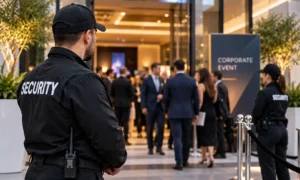

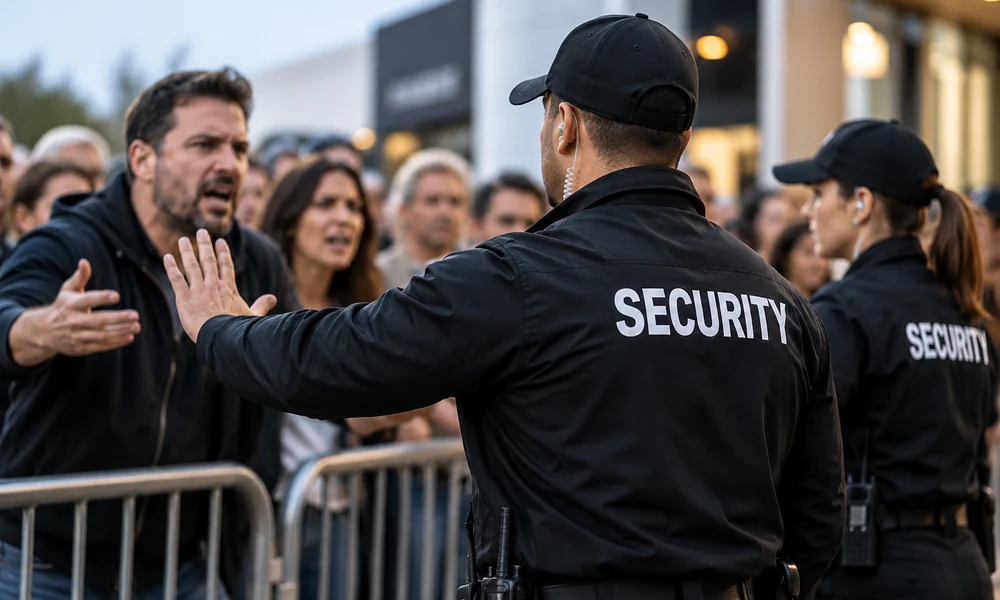
A tense queue, a disagreement or a person refusing to follow venue rules can affect the safety and comfort of an entire event. Security guards help manage difficult or aggressive crowds by noticing concerns early, communicating calmly and following a response plan agreed with the organiser.
Good crowd management is planned before an incident happens. It combines suitable staff positions, clear communication and proportionate action. For events and venues in Melbourne, professional crowd control security can help organisers maintain order while keeping the environment welcoming.
Key Takeaways
- Early observation can identify crowd pressure or conflict before it spreads.
- Calm, clear communication may resolve some issues without confrontation.
- Organisers and security teams should agree roles, escalation steps and emergency contacts in advance.
- Staffing should reflect the venue layout, event type and expected risks.
How do guards spot crowd risks early?
Security staff monitor entrances, queues, exits and areas where people gather. They look for changes such as pushing, blocked walkways, repeated disputes or a crowd forming around an argument. They assess behaviour in context rather than making assumptions about people based on appearance or background.
Teams can also monitor practical conditions that affect crowd safety: queues extending into walkways, people struggling to move through a bottleneck, unattended items, or exits becoming obstructed. Guards positioned across key areas can share observations and direct attention to developing pressure points. Organisers can read more about why professional crowd control matters and how security teams manage concert crowds.
How do security guards de-escalate aggressive behaviour?
When it is safe, a guard approaches calmly, gives the person space and uses direct, respectful language. Listening and explaining the relevant venue rule can help clarify what needs to change. A practical option—such as moving a conversation away from a busy entry point—may reduce pressure on the surrounding crowd.
Guards should avoid provocative language, crowding the person or making promises they cannot keep. A colleague can monitor the wider area while one officer communicates, if the plan and circumstances allow. If a risk continues or becomes immediate, guards follow the agreed escalation procedure, call for support and contact emergency services when required. They help keep bystanders clear and maintain access for responders, acting within their training, role and applicable requirements.
What should event organisers prepare?
Before the event, review attendance, entry conditions, crowd pinch points, alcohol service, restricted areas and emergency arrangements. Walk the venue where practical and identify narrow passages, queue locations, exits and places where crowd movement may cross. Confirm who leads a response, how the team communicates and where first aid or emergency services can reach the site.
Briefings should cover each guard’s position, responsibilities, radio or contact procedures, and how concerns are escalated. Organisers should also decide who can pause entry or adjust event operations if conditions change. After an incident, record what happened, when it occurred, actions taken and any follow-up needed. A tailored event security plan can coordinate crowd controllers, entry staff and venue contacts. The right approach depends on the event; a site-specific discussion is more useful than relying on a universal guard-to-guest ratio.
Frequently Asked Questions
1. What do security guards do when a crowd becomes aggressive?
They assess the situation, communicate calmly where it is safe, follow the agreed escalation process and request additional support or emergency assistance when needed.
2. Can security guards prevent every crowd incident?
No. Planning and trained personnel can reduce risk and support a timely response, but no security arrangement can guarantee that incidents will not occur.
3. When should an organiser hire crowd controllers?
Consider them when attendance, alcohol, complex access arrangements or previous incidents create crowd-management risks. A venue and event assessment can help determine suitable coverage.
4. How do guards manage a queue that is becoming unsafe?
Depending on the plan, they may communicate with attendees, manage entry flow, keep exits clear and alert the team lead if crowd pressure increases.
5. What information should I provide when requesting crowd security?
Share the event date and hours, expected attendance, venue layout, entry points, event type and any previous concerns. These details help a provider discuss an appropriate plan.
Plan crowd security before your event
A prepared team can help organisers respond consistently when crowd behaviour changes. Contact Avatar Security to discuss your venue, schedule and crowd control requirements.