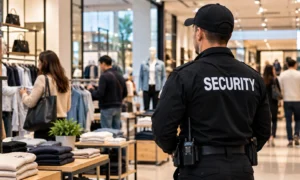

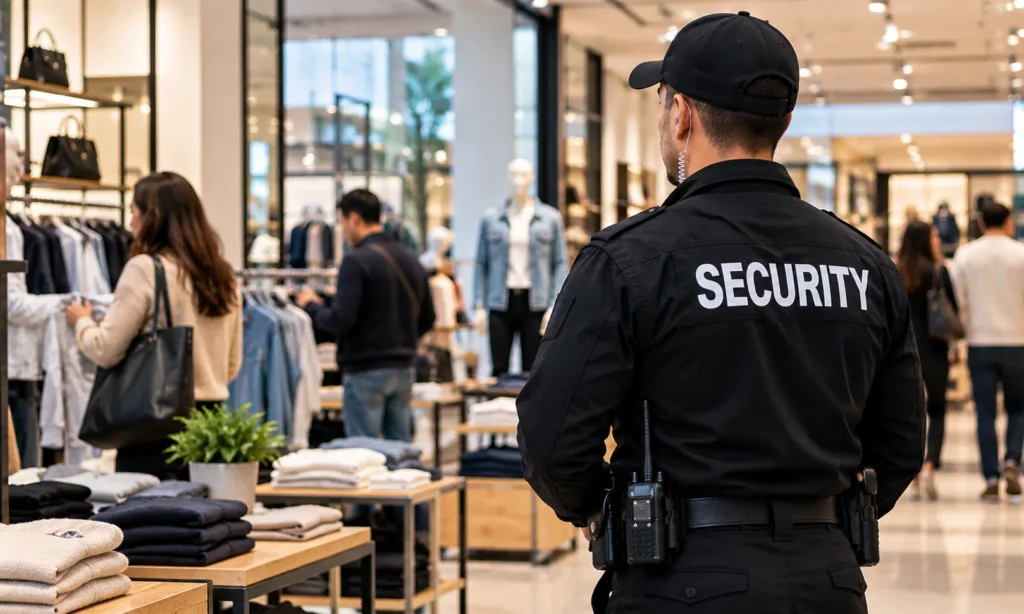
Retail loss can affect stock, revenue, staff confidence and the customer experience. A store may benefit from retail loss prevention officers when recurring incidents or specific vulnerabilities need closer observation and a consistent response. The decision should reflect the store’s risks, trading hours, layout and incident history.
Loss prevention is broader than responding to a suspected theft. Depending on the assignment, it can involve observing store activity, identifying patterns, protecting priority areas and documenting concerns so management can make informed decisions. Officers should support a safe, welcoming environment for customers and staff. Avatar Security provides retail security and loss prevention services across Melbourne and beyond.
Key Takeaways
- Consider dedicated support when incidents recur or high-risk areas need closer monitoring.
- Loss prevention can include observation, deterrence, reporting and coordination with store management.
- Uniformed or plain-clothes coverage should suit the store’s goals and procedures.
- Clear staff protocols support safe, consistent responses.
When should a store consider hiring a loss prevention officer?
Consider dedicated coverage when a store sees recurring shoplifting, unexplained inventory loss, repeated incidents involving high-value products or security concerns during peak trading periods. Multiple locations, limited visibility across the shop floor or after-hours access issues may also prompt a review.
Review incident records, inventory discrepancies and the store layout first. Look for repeated patterns by time, location or type of incident, while recognising that stock discrepancies can have more than one cause. This can clarify whether the main need is a visible deterrent, closer observation of specific areas, support during busy periods or a broader plan. Avatar’s guide to retail loss prevention officer duties explains the role, while its article on retail shrinkage and loss prevention planning covers other causes of stock loss.
What can loss prevention officers do?
Responsibilities vary by assignment, but may include monitoring store activity, observing priority areas, deterring theft, responding to incidents within their role and preparing reports for management. Officers may coordinate with store employees or CCTV teams where applicable. Their work should follow agreed procedures and focus on professional observation rather than assumptions or unnecessary escalation.
Retailers may choose uniformed coverage for a visible presence or plain-clothes coverage when discreet observation is part of the plan. The choice depends on the store layout, customer experience, previous incidents and the purpose of the assignment. Agree the approach with the provider, clarify who the officer reports to and make sure store staff understand how to request assistance.
How can a retailer prepare for effective loss prevention?
Share incident patterns, priority products or areas, staff contacts and reporting expectations. Set procedures for suspected theft, emergencies and requests for assistance. Train employees to report concerns promptly and avoid confronting people outside their role. Review incident reports and inventory trends to see whether coverage should change.
Practical store measures can support the officer’s work: keep sightlines clear where possible, ensure staff know how to report concerns, secure stockroom access and review whether priority areas are visible to staff or CCTV. These steps should fit the store’s normal operations and customer service standards. For stores in a shopping centre, store-level coverage may complement common-area shopping centre security arrangements. Agree who is responsible for each area and how the teams will communicate.
Frequently Asked Questions
1. Does every retail store need a loss prevention officer?
No. The need depends on store size, location, merchandise, incident history and risk profile. A review can help determine whether dedicated coverage is appropriate.
2. Are loss prevention officers always in uniform?
Not always. Retailers may choose uniformed or plain-clothes coverage based on security objectives and operating procedures.
3. What signs suggest a store should review its loss prevention?
Repeated theft incidents, unexplained stock discrepancies, recurring concerns in particular areas or difficulty monitoring the store may warrant a review.
4. Do loss prevention officers only deal with shoplifting?
No. Depending on the assignment, their role may also include monitoring activity, reporting incidents, protecting priority areas and supporting store procedures.
5. What should a retailer discuss before hiring an officer?
Discuss incident patterns, operating hours, store layout, priority areas, preferred coverage style, staff contacts and expectations for reporting and escalation.
Discuss your store’s security needs
A useful plan starts with understanding where and when a store faces risk. Contact Avatar Security to discuss retail loss prevention officers and complementary security services for your business.